
Education
Why do headlights turn yellow and cloudy?
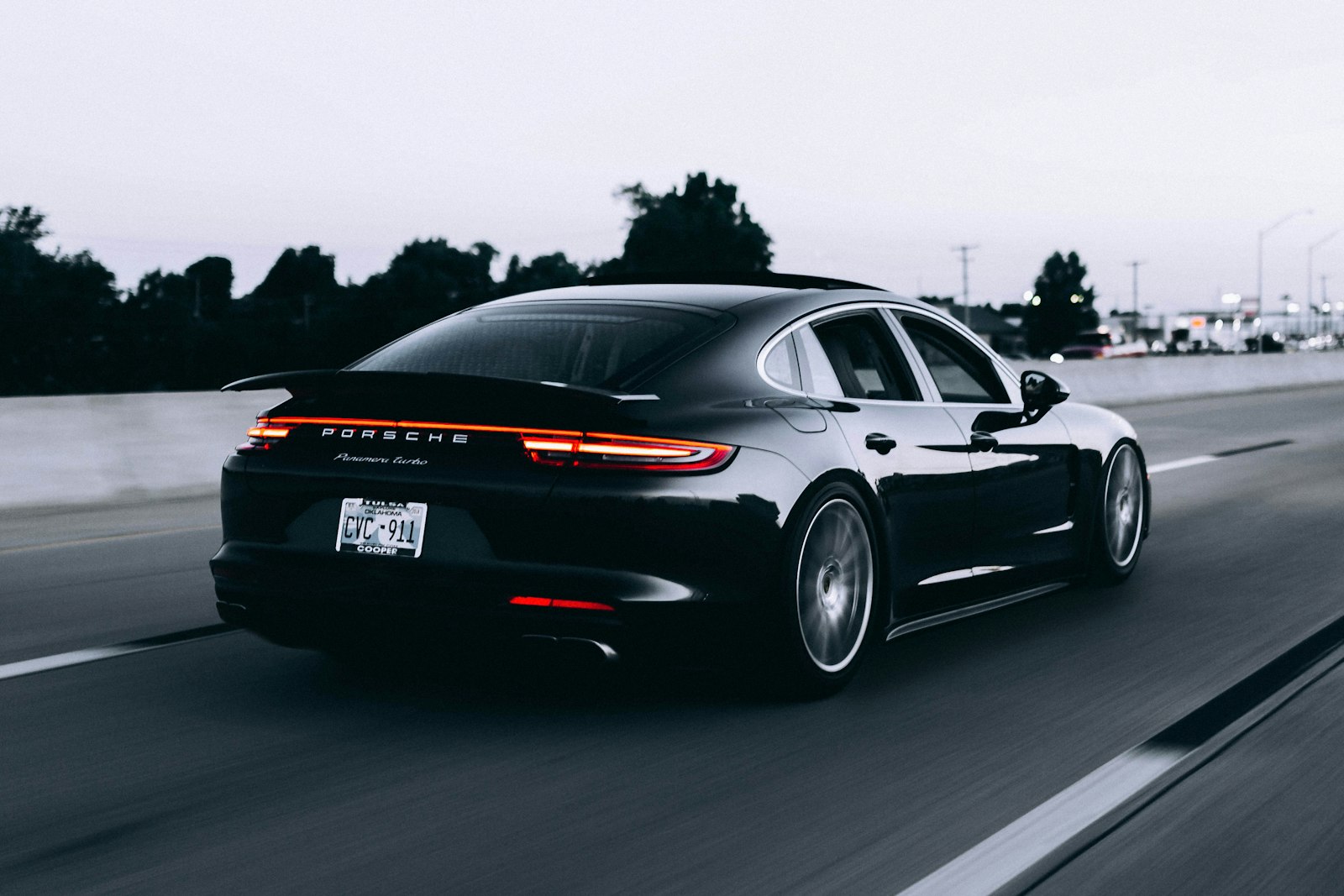
Modern headlights are made from polycarbonate — a tough, impact-resistant plastic that replaced glass decades ago. Polycarbonate is strong, but it's also vulnerable to ultraviolet light. To slow that damage, manufacturers apply a thin factory UV coating to the outside of every lens.
That coating is what fails first. Years of sun, road heat, and washer chemicals wear it down until the raw plastic underneath is exposed. Once that happens, oxidation sets in and the surface turns hazy, yellow, or milky.
Polishing a lens without addressing the coating only buys a few weeks of clarity. A proper restoration removes the failed layer, refines the plastic in stages, and seals it again so the clarity lasts.
If your headlights look tired but the housing itself is intact, restoration is almost always the smarter choice — you keep the original assembly and get back the light output you paid for when the vehicle was new.
Ready when you are
Get a free mobile quote.
Send a few photos of your headlights and we'll get back to you with pricing and availability.
Book for $79Keep reading
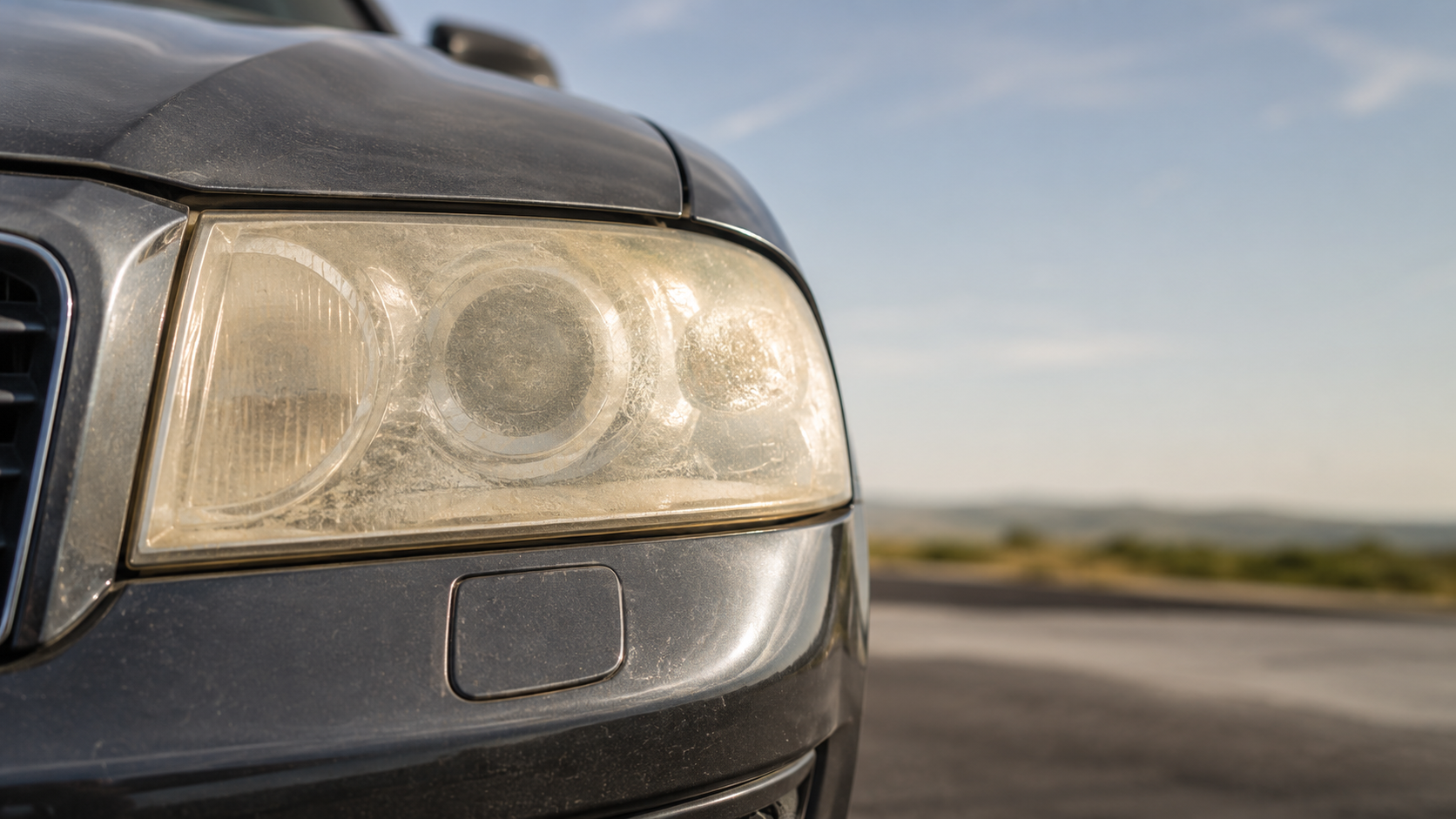
Why Do Headlights Become Foggy?
Learn why headlights become foggy, yellow, or cloudy — and why professional headlight restoration is usually the better choice.
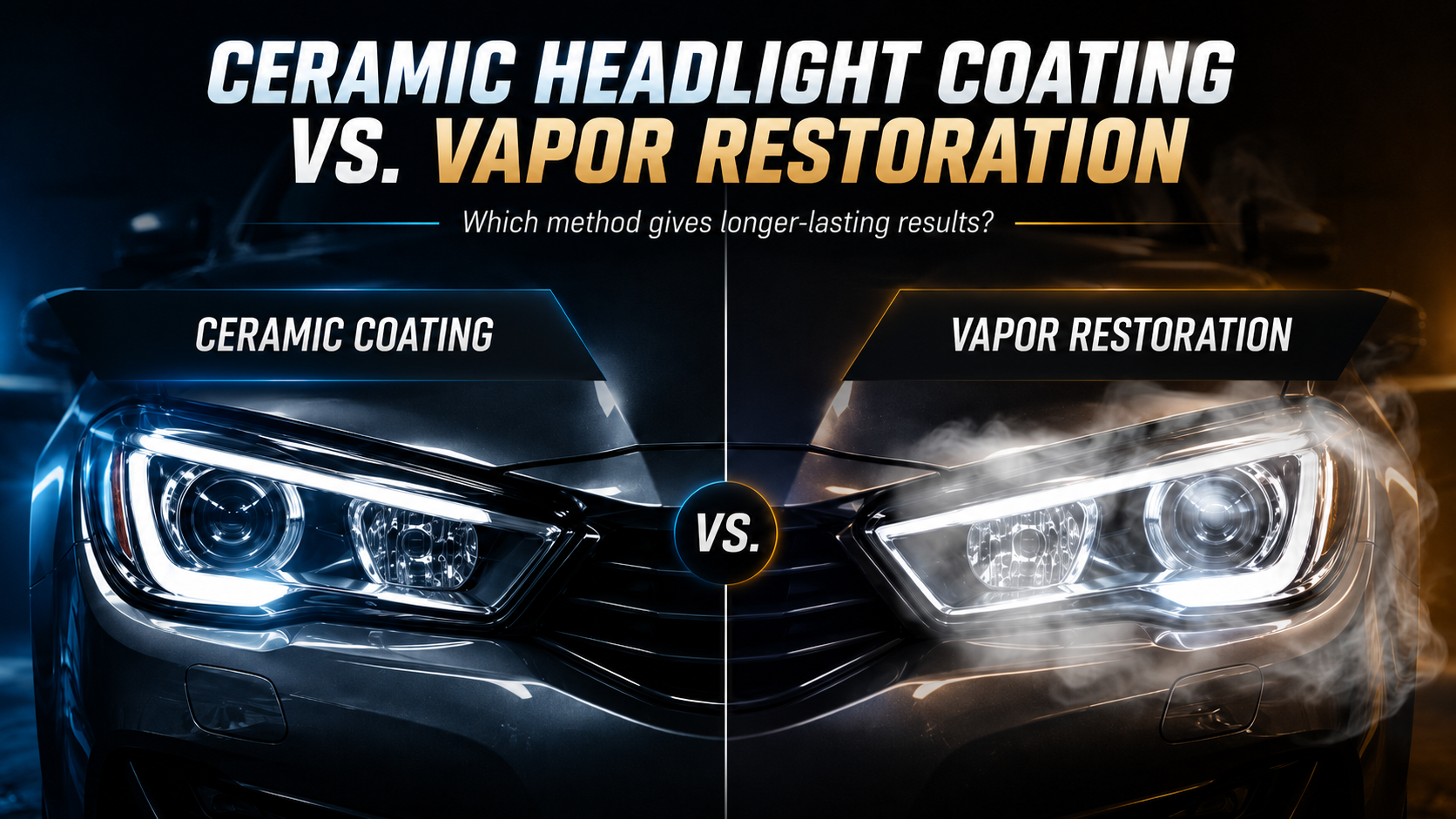
Ceramic Headlight Coating vs. Vapor Headlight Restoration: Which Method Lasts Longer?
A side-by-side comparison of ceramic headlight coating and vapor headlight restoration to help you understand which method delivers clearer, longer-lasting results.
How Long Does Headlight Restoration Last?
What actually determines how long restored headlights stay clear — and how the protective coating, sun exposure, and care habits change the answer.