
Guides
What Removes Oxidation From Headlights?
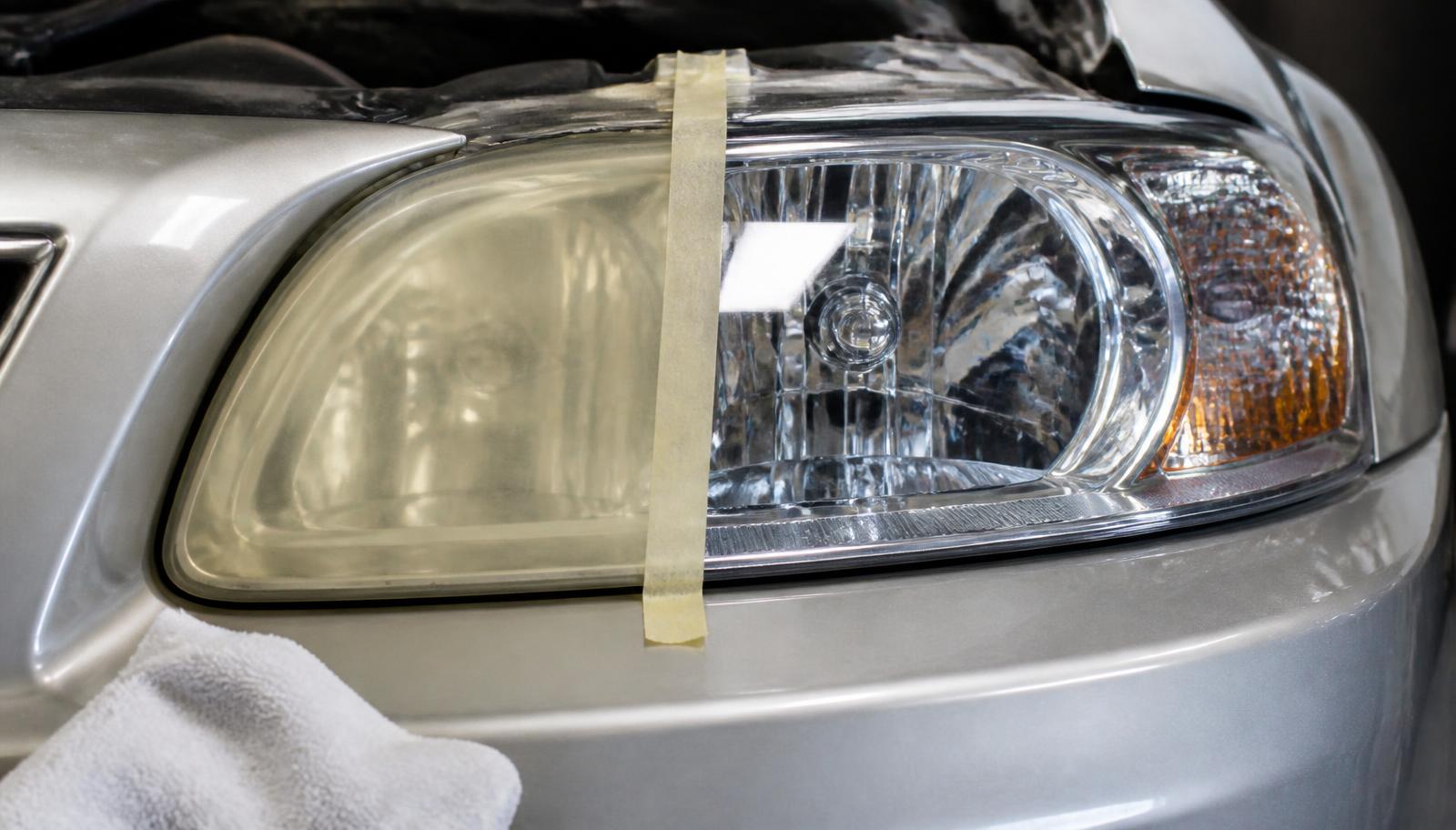
Yellow, cloudy headlights are almost always caused by oxidation on the outer surface of the lens. The question is what actually removes that oxidation instead of just making it look better for a weekend. The answer matters for both appearance and safety, because a headlight that looks clear but still scatters light is not really fixed.
To choose the right fix, it helps to understand what oxidation is. Modern headlights are made from polycarbonate plastic with a thin factory UV coating on the outside. Over time, sun, road heat, and chemicals wear that coating down. Once the bare plastic is exposed, ultraviolet light starts a chemical reaction that turns the surface yellow, hazy, and rough. That damage is not a stain on top of the plastic — it is the plastic itself that has changed.
Because oxidation is physical damage to the lens surface, anything that truly removes it has to remove a thin layer of plastic. Cleaning products and sprays cannot do that. They can only change the way the surface looks temporarily. The real fix is abrasion, followed by polishing and protection.
Household remedies are the most common first attempt. Toothpaste is a mild abrasive, and with enough scrubbing it can smooth the very top layer of light haze. It does not remove meaningful oxidation, and it leaves the lens completely unprotected. Baking soda mixed with water is similar — slightly abrasive, but not aggressive enough to cut through yellowed plastic. Vinegar is acidic and can dissolve some mineral deposits, but it does not reverse UV oxidation and can etch the remaining factory coating if it is already failing. None of these are a lasting fix.
WD-40 and bug spray are often used as quick fixes, but they do not remove oxidation at all. They leave an oily film that fills the tiny pits and scratches that make the lens look hazy. The headlight looks clearer because the surface is temporarily glossed over, but the oxidized plastic is still there. Within days, rain, car wash, or even dew washes the film away and the haze returns. Repeated use can also soften or craze the polycarbonate, making the eventual restoration harder.
Commercial headlight restoration kits are the first option that actually removes oxidation. A typical kit includes a set of sanding pads, a polish, and sometimes a wipe-on sealant. The sanding step is what removes the damaged layer. The polish step refines the surface so it looks clear instead of scratched. The sealant step adds some protection, though consumer-grade sealants usually do not last as long as a professional ceramic UV coating.
The key to using a kit correctly is patience. You have to work wet, keep the lens lubricated, and move through every grit without skipping. Skipping a grit leaves deeper scratches that the next pad cannot reach, which is why some DIY jobs end up looking worse than when they started. You also need to mask the surrounding paint and trim carefully, because sanding dust or a slipped pad can damage finish that costs far more than the headlights to repair.
Professional restoration removes oxidation the same way a good kit does, but with more control at every stage. The lens is cleaned and masked, the oxidized material is wet-sanded away in progressive stages, and the surface is polished to optical clarity. The difference is in the final coating. A professional finish uses a UV-resistant ceramic coating that bonds to the plastic and replaces the protection the factory coating used to provide. That is why properly restored headlights last years instead of months.
There are also situations where no surface treatment works. If the headlight has moisture inside the housing, a cracked lens, broken mounting tabs, or a burned reflector, the damage is internal. Restoration only treats the outside. In those cases, replacement is the honest recommendation, and any reputable shop should tell you that before taking your money.
The simplest way to judge a method is to ask whether it removes the oxidized plastic or just changes how it looks. If it does not involve some form of abrasion and it does not finish with UV protection, it is not restoring the headlight. It is hiding the problem.
For lightly hazed headlights, a careful kit and a free afternoon can produce a reasonable short-term result. For yellowed, milky, or heavily oxidized headlights, professional restoration is the better value — especially when you compare it to the cost of replacement assemblies. VP Headlights removes oxidation and seals the lens with a durable ceramic coating, on site at your home or workplace across Salt Lake County and Utah County. Send a few photos of your headlights and we will tell you honestly whether restoration is the right fix for your vehicle.
| Method | Does it remove oxidation? | How long it lasts |
|---|---|---|
| Toothpaste / baking soda | Very light haze only; does not remove real oxidation | A few weeks; leaves lens unprotected |
| Vinegar | No; may dissolve mineral residue but not UV oxidation | No lasting change; can damage the coating |
| WD-40 / bug spray | No; fills surface pitting with an oil film | Days; washes away and can craze the plastic |
| DIY restoration kit | Yes, if used correctly with progressive sanding | Months to a year depending on sealant quality |
| Professional restoration | Yes; removes oxidation and seals with UV ceramic coating | Years of usable clarity with normal care |
Ready when you are
Get a free mobile quote.
Send a few photos of your headlights and we'll get back to you with pricing and availability.
Book for $79Keep reading
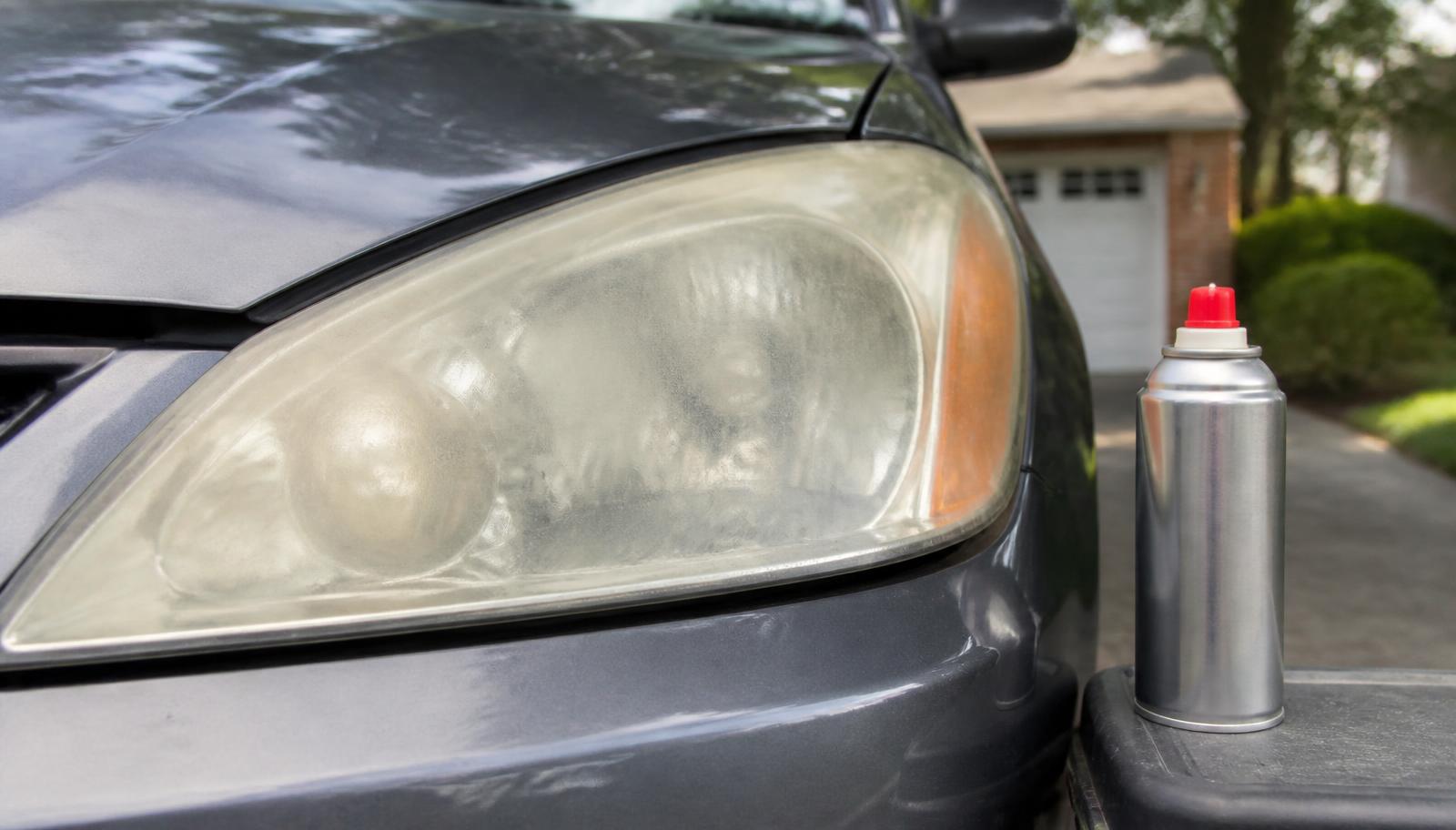
Does WD-40 Restore Headlights?
Why WD-40 can make headlights look clearer for a day or two, what it actually does to the plastic, and the safer ways to get lasting clarity.
Headlight Restoration Cost: What to Expect and What Drives the Price
What headlight restoration typically costs, what moves the price, and how a flat $79 per pair compares with replacing a full headlight assembly.
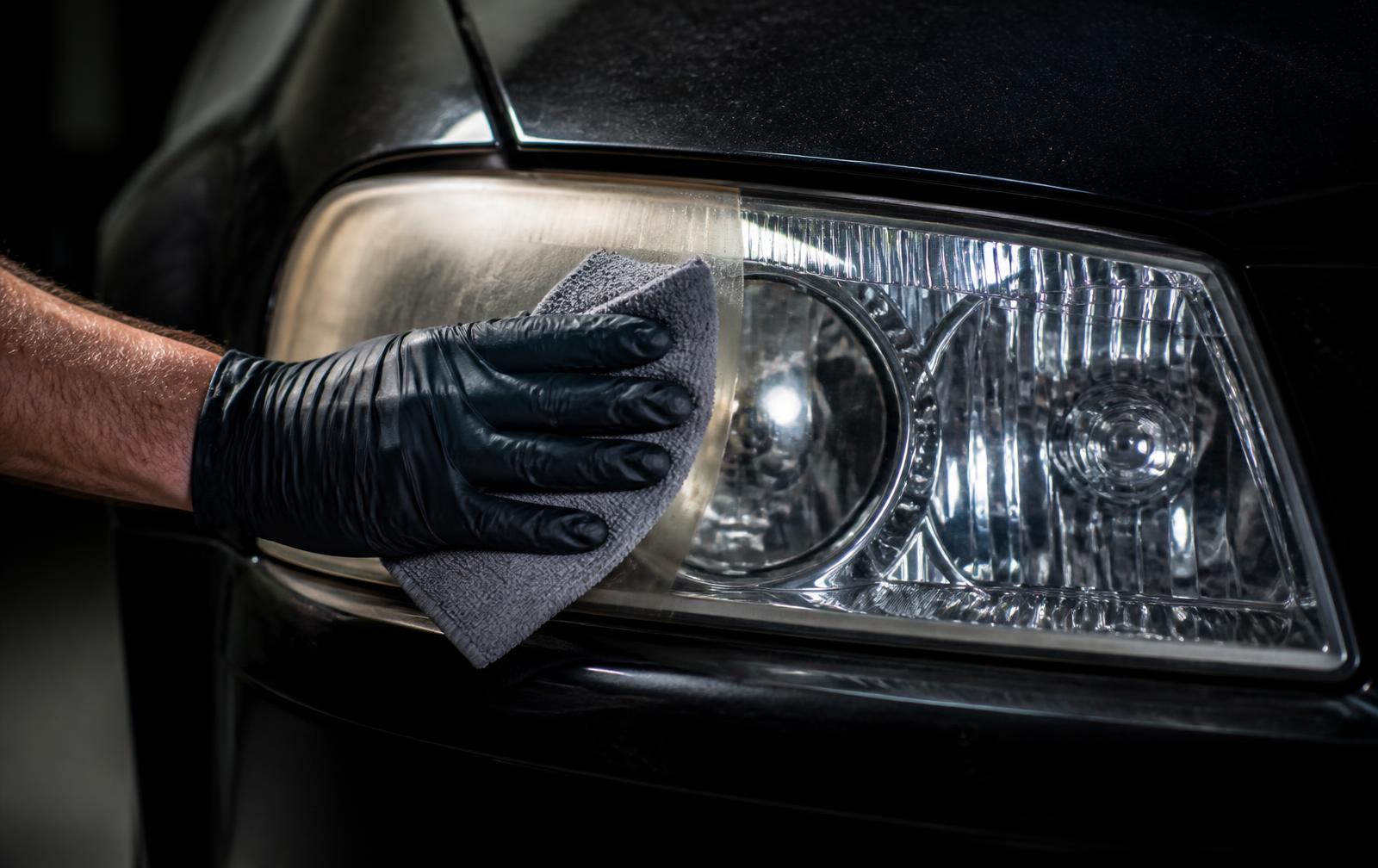
How to Clean Foggy Headlights
A step-by-step look at cleaning foggy headlights at home, what DIY methods actually accomplish, and how professional restoration compares.