
Guides
Does WD-40 Restore Headlights?
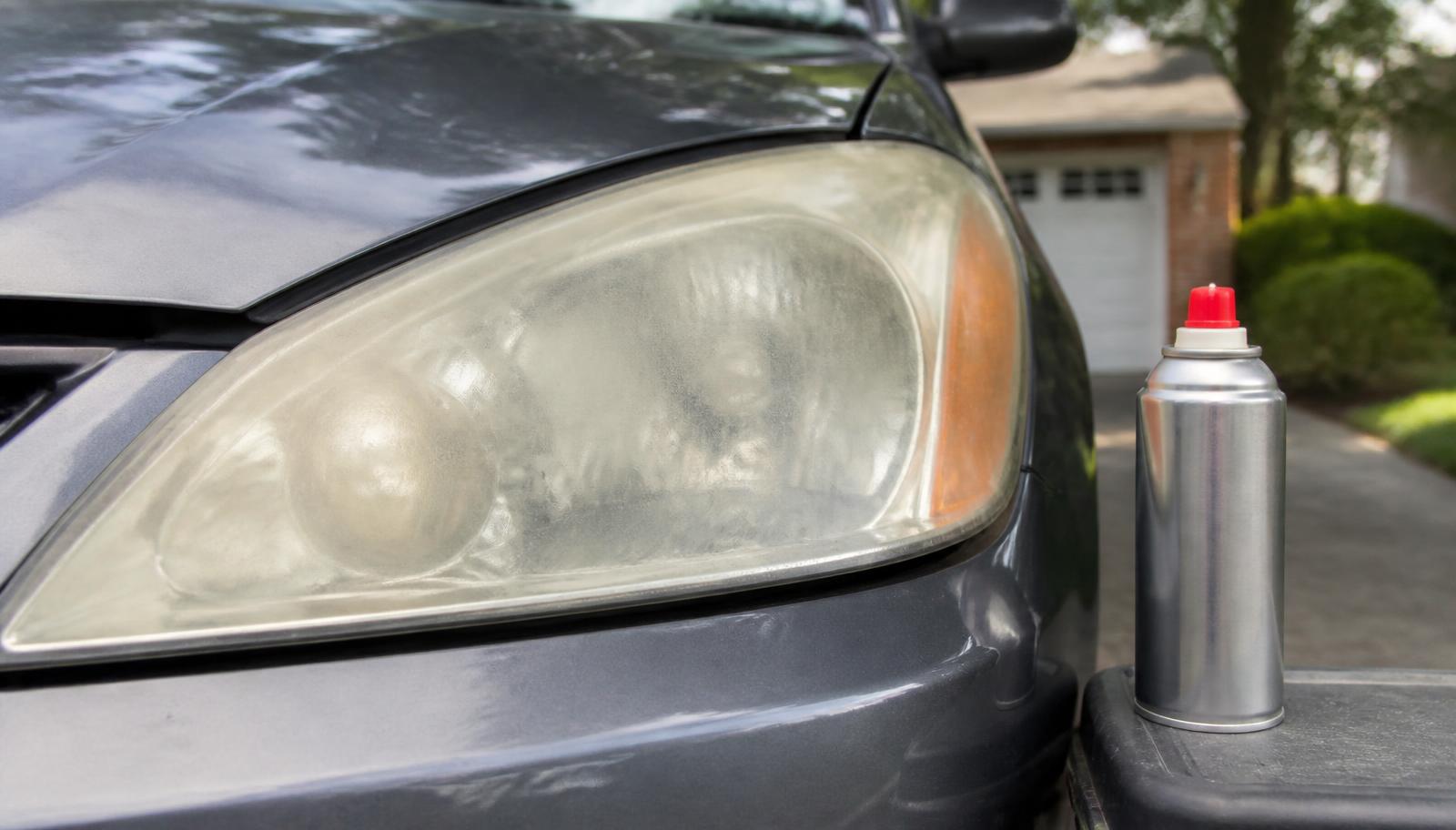
WD-40 is one of the most shared "hacks" for cloudy headlights. The idea is simple: spray it on, wipe it off, and the lens looks clearer. The question is whether that clearer look is the same as restored headlights — and whether it is safe for the plastic. The short answer is that it can make a yellowed lens look better for a short time, but it does not restore the headlight, and it can create problems that make the real fix harder later.
To understand why, it helps to know what cloudy headlights actually are. Modern headlights are made from polycarbonate plastic with a thin factory UV coating on the outside. After years of sun, heat, and road grime, that coating breaks down. The bare plastic underneath oxidizes, turning the surface yellow, hazy, or milky. That damage is not a layer of dirt sitting on top; it is the plastic itself that has changed.
WD-40 does not remove that oxidation. It is a penetrating oil and solvent blend that leaves a thin film on the surface. When you spray it on a cloudy headlight, the oil fills the microscopic pits and scratches that make the lens look hazy. Light passes through more evenly, so the headlight looks clearer for a day or two. But the oxidized plastic is still there, and the oil film washes away with the next rain, car wash, or even a strong dew. The haze returns quickly, often within a week.
There is also a risk side to the shortcut. WD-40 is petroleum-based, and petroleum solvents can interact with polycarbonate and the remaining factory coating in ways that stress the plastic. Some drivers notice a sticky residue that attracts dust and road film, which can make the headlights look worse than before within a few days. Others see fine surface cracking, called crazing, after repeated applications. That crazing is permanent damage to the lens, and it can scatter light in ways that create glare for oncoming drivers.
Another concern is safety. A headlight that looks clearer because it is coated in oil is not the same as a headlight that projects light correctly. The oil film changes the way the lens surface refracts light. The beam pattern can become diffused, which reduces the useful reach of the headlight and can increase glare. In other words, the lens may look better to you while actually performing worse on the road.
So what does work? The only honest fix is to remove the oxidized layer and then protect the bare plastic underneath. A professional restoration starts by masking the surrounding paint and trim, then wet-sanding the lens through progressively finer grits until the oxidation is gone and the surface is smooth. The lens is then polished to optical clarity and sealed with a UV-resistant coating. That coating replaces the protection the factory finish used to provide, which is why the result lasts for years instead of days.
DIY restoration kits follow the same basic idea, but the difference is usually in the final coating. Consumer kits tend to include a wipe-on sealant that is better than nothing but does not match the durability of a professional ceramic UV coating. The sanding and polishing steps in a kit can work well if you are patient and careful, but the protection step is where most home jobs fall short. Without strong UV protection, oxidation returns within months.
There are also cases where no amount of surface work helps. If the headlight has internal moisture, a cracked lens, broken mounting tabs, or a burned reflector, the damage is inside the housing. WD-40, polish, or sanding cannot reach those problems. Replacement is the only real solution in those situations, and a good restoration shop will tell you that rather than sell you a service that will not fix it.
If you are looking for a quick photo fix before selling a car, WD-40 might buy you a few hours of clearer-looking headlights. But if you plan to keep driving the vehicle, especially at night, it is not a real solution. The repeated application cycle — spray, look better, wash away, look worse, spray again — can leave the lens in worse condition than when you started.
The bottom line is that WD-40 is a lubricant and water displacer, not a headlight restoration product. It hides the problem temporarily and can damage the plastic over time. If you want headlights that actually stay clear and project light the way they were designed to, the fix is mechanical restoration followed by a proper UV coating. That is what VP Headlights does on site at your home or workplace across Salt Lake County and Utah County. Send a few photos of your headlights and we will give you an honest assessment of whether restoration is the right choice for your vehicle.
| Method | What it actually does | How long it lasts |
|---|---|---|
| WD-40 | Leaves an oil film that temporarily fills surface pitting | Days to a week; washes away with rain or car wash |
| Toothpaste or baking soda | Mild abrasive that removes very light surface haze | Weeks; leaves lens unprotected against new oxidation |
| DIY restoration kit | Wet-sands and polishes; may include a basic sealant | Months to a year depending on the kit and UV coating quality |
| Professional restoration | Removes oxidation and seals with a UV-resistant ceramic coating | Years of usable clarity with normal care |
Ready when you are
Get a free mobile quote.
Send a few photos of your headlights and we'll get back to you with pricing and availability.
Book for $79Keep reading
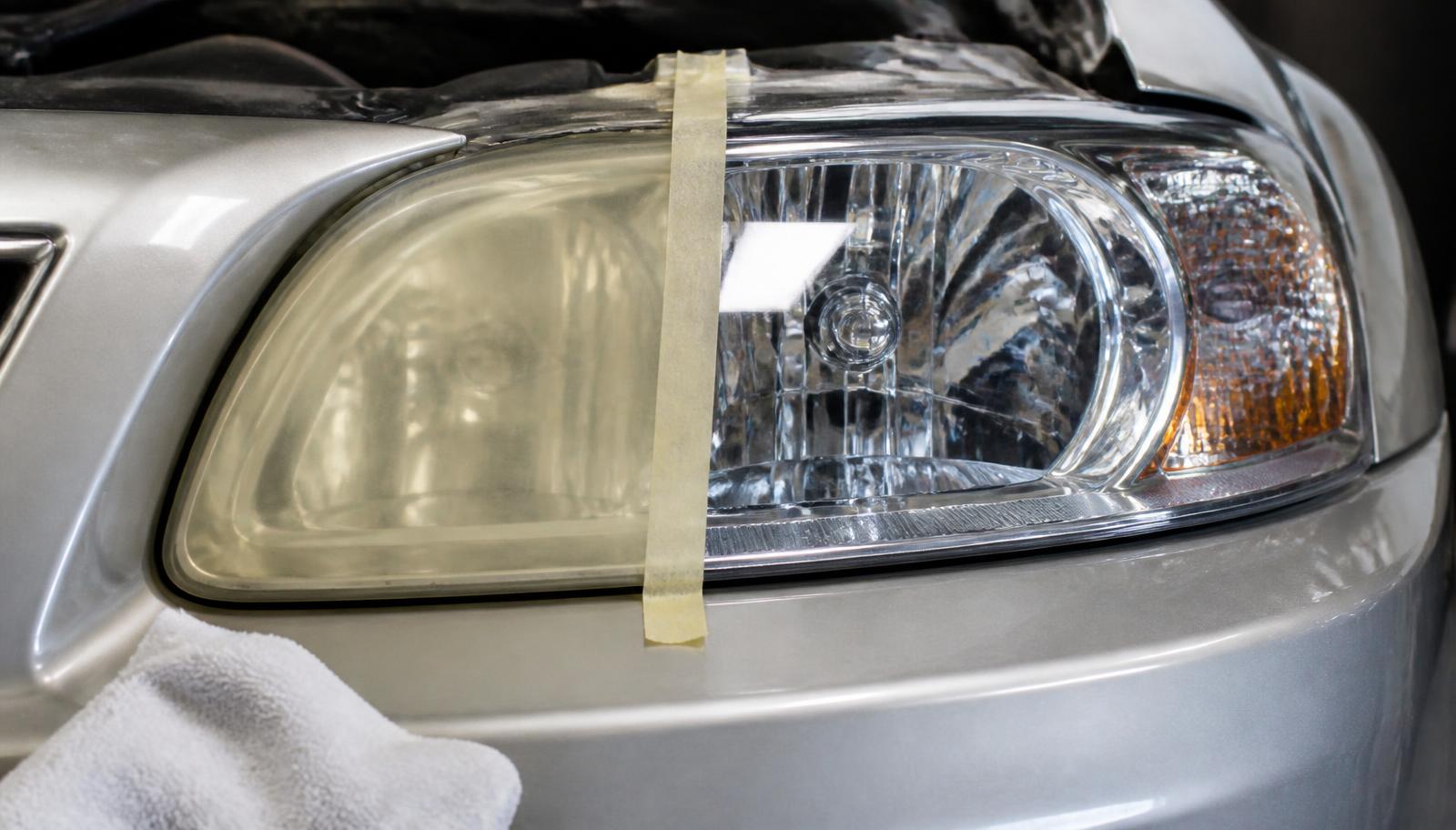
What Removes Oxidation From Headlights?
A clear breakdown of what actually removes headlight oxidation — and which household remedies only hide it for a few days.
Headlight Restoration Cost: What to Expect and What Drives the Price
What headlight restoration typically costs, what moves the price, and how a flat $79 per pair compares with replacing a full headlight assembly.
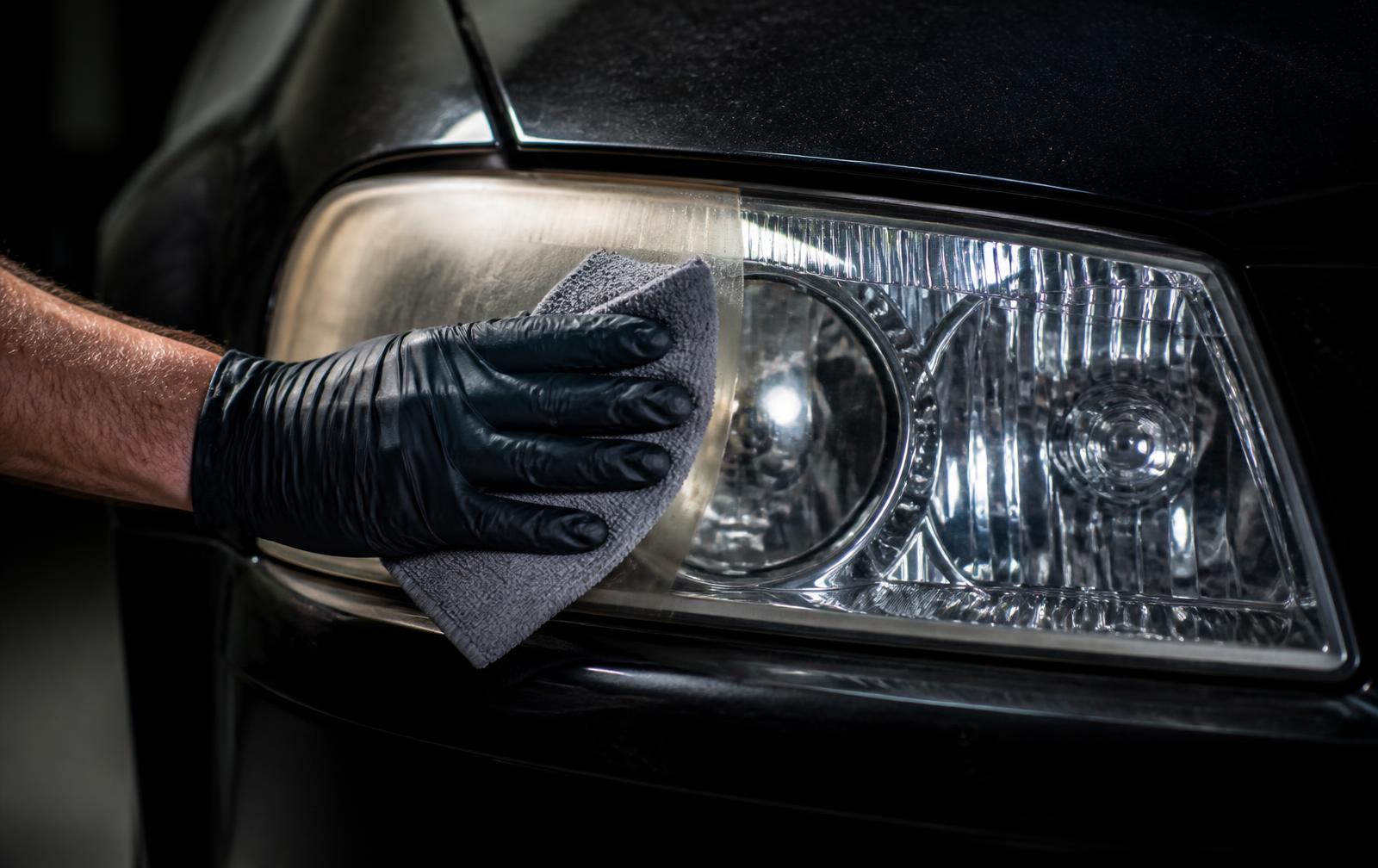
How to Clean Foggy Headlights
A step-by-step look at cleaning foggy headlights at home, what DIY methods actually accomplish, and how professional restoration compares.